guide
CS2's updated demo viewer: find the mistake before the missed shot
The October 14 camera changes make a round easier to inspect. Start with a failed trade, compare both players' views, and keep hindsight out of the verdict.
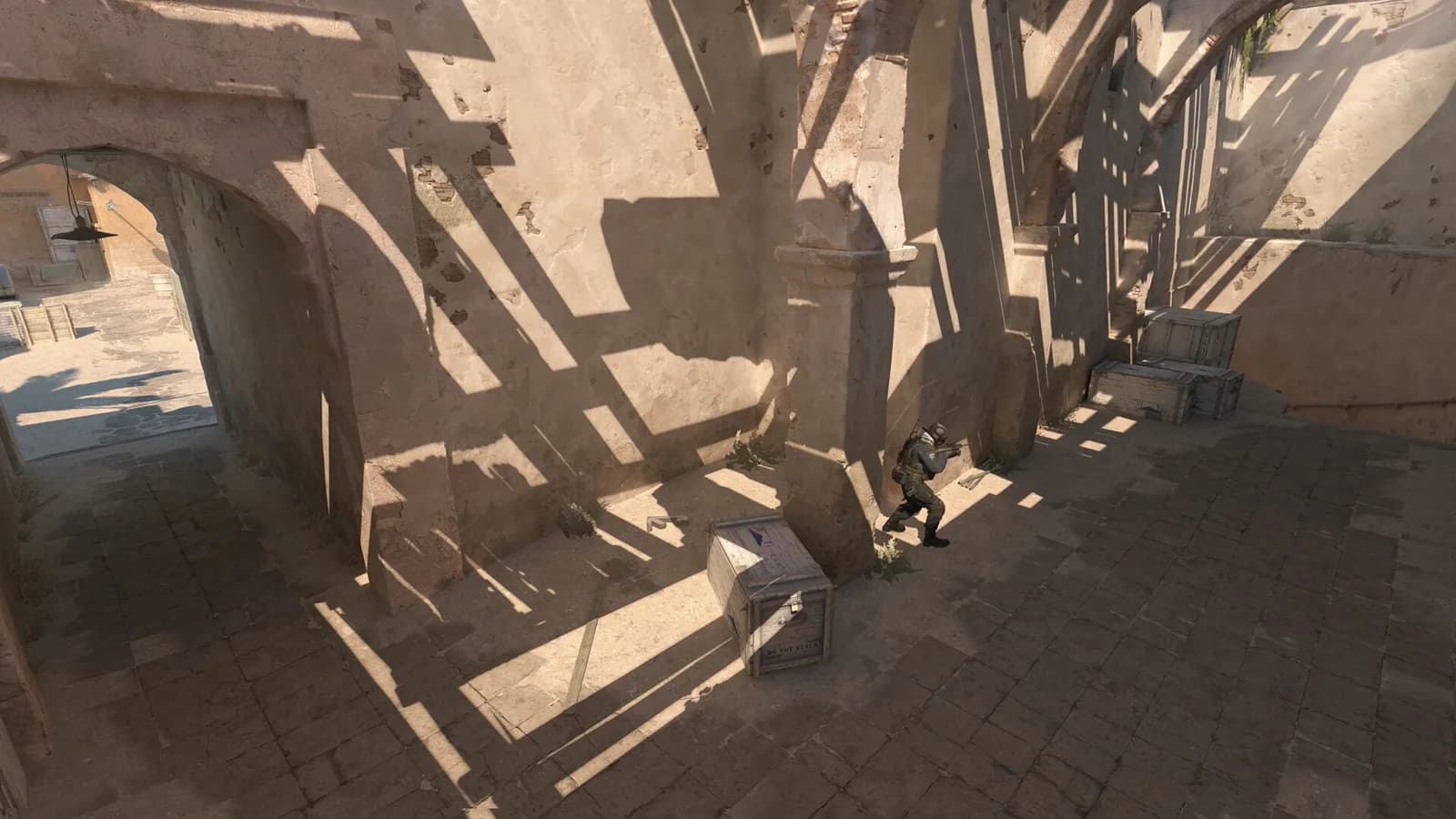
The easiest moment to blame in a Counter-Strike round is usually the last one. A teammate misses, you die waiting for a trade, and the scoreboard supplies a tidy explanation. Watch the same round from a little earlier, though, and the mistake may be sitting somewhere less dramatic: an uncovered crossing, an awkward gap between players, or a reload started after the safe moment had passed.
Valve's October 14 update makes that sort of inspection less cumbersome. It is a good excuse to open a demo, provided you arrive with a question smaller than “why did we lose this match?” The example below concerns a failed trade. The same approach works for a rotation, a late utility throw, or a fight that felt unwinnable before either player fired.
What the October viewer update actually changes
The October 14 patch notes add download progress for demos and replays, change camera movement to click and drag, and allow free and chase cameras while playback is paused. Valve also lists fixes for some seeking issues. Those are the confirmed changes; the notes do not promise that every replay problem has disappeared.
Try the controls on an unimportant passage before beginning a review. Pause, move the camera, resume, and seek back to the same moment. That small rehearsal saves you from confusing an unfamiliar control with something the players did. There is no need to learn a collection of old console commands merely to begin looking at a round.
The freedom to move while paused is especially useful when several positions matter at once. You can hold the moment still, inspect the space, and then return to a player's view. A more convenient camera gives you time to ask better questions. It cannot tell you which question deserves attention.
Pick a round you can describe without its result
Find a passage that troubled you during the match. “We approached the site together, but I could not shoot the opponent who killed the first player” is enough. Include the round and approximate moment so you can return to it. Avoid starting with a verdict such as “my teammate baited me.” That wording assumes the answer you are supposed to investigate.
First watch the approach at normal speed. Continue through the death and a little beyond it. Notice the order of events before breaking them into still frames: when the first player commits, when the second sees danger, and when each tries to fire or move. A freeze-frame can make two actions look simultaneous even when the interval between them decided the fight.
Keep the first pass short. You are choosing a useful incident, not building a case against everybody who made a mistake that evening. If the passage depends on a call you cannot remember, mark that uncertainty now. The missing information will still be missing after another ten rewinds.