GVMonster Hunter Wilds: choose a weapon with a real field test | GameVerse
guide
Monster Hunter Wilds: choose a weapon with a real field test
Compare weapons by reach, commitment, defense, and the attention their resources require, then take one familiar plan into a hunt.
By GameVerse GuidesUpdated 5 minute read
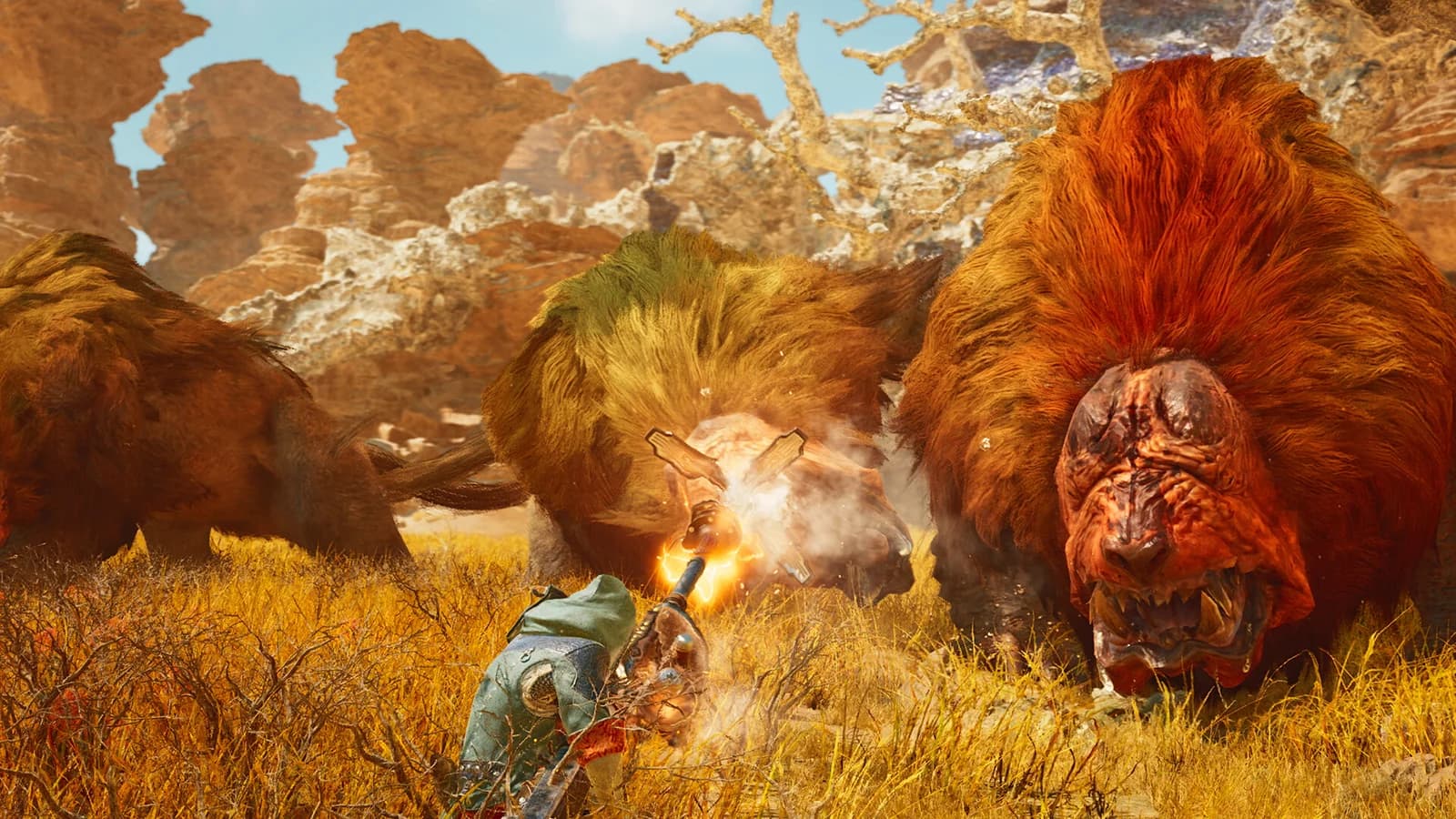
Watch a monster's recovery, then decide whether there is time to attack, heal or move. Preparation continues after the hunt begins.Image: CAPCOM, via Steam
A weapon demonstration usually shows the moment everything works. The monster stays in place, the attack connects, and the hunter looks completely in control. Your first hunt will include missed attacks, awkward camera angles, and a need to heal at an inconvenient time. Choose a weapon by how comfortably you can handle those ordinary problems, then learn its impressive sequences.
Monster Hunter Wilds has a Training Area at Base Camp and detailed weapon instructions in the Play Guide. Use both. The area lets you repeat an action; the instructions explain what you were trying to perform. You will get more from a short, purposeful comparison than from sampling every weapon for ten seconds.
Compare three jobs, rather than every combo
With each weapon you are considering, find a small attack for a short opening, a more committed option for a long opening, and an answer when the monster turns toward you. That defensive answer may depend on movement or a weapon-specific ability. Read the controls instead of assuming the same button produces the same response across all weapons.
Try each action several times and watch where it leaves you. Does the short attack carry you forward? Can the longer one be redirected? How long does it take before you can move again? A weapon's feel is partly the time between your decision and the moment you regain control.
You do not need to memorize the whole guide. Write down the few moves that form a practical starting routine. That reduces menu visits during a hunt and leaves more attention available for the monster.
Reach changes where you should stand
A weapon that feels excellent against a stationary target may be awkward at the distance you naturally keep. Test an approach, an attack, and a retreat. Watch whether you repeatedly move too close or remain too far away. The best fit is something whose useful range you can judge without constant correction.
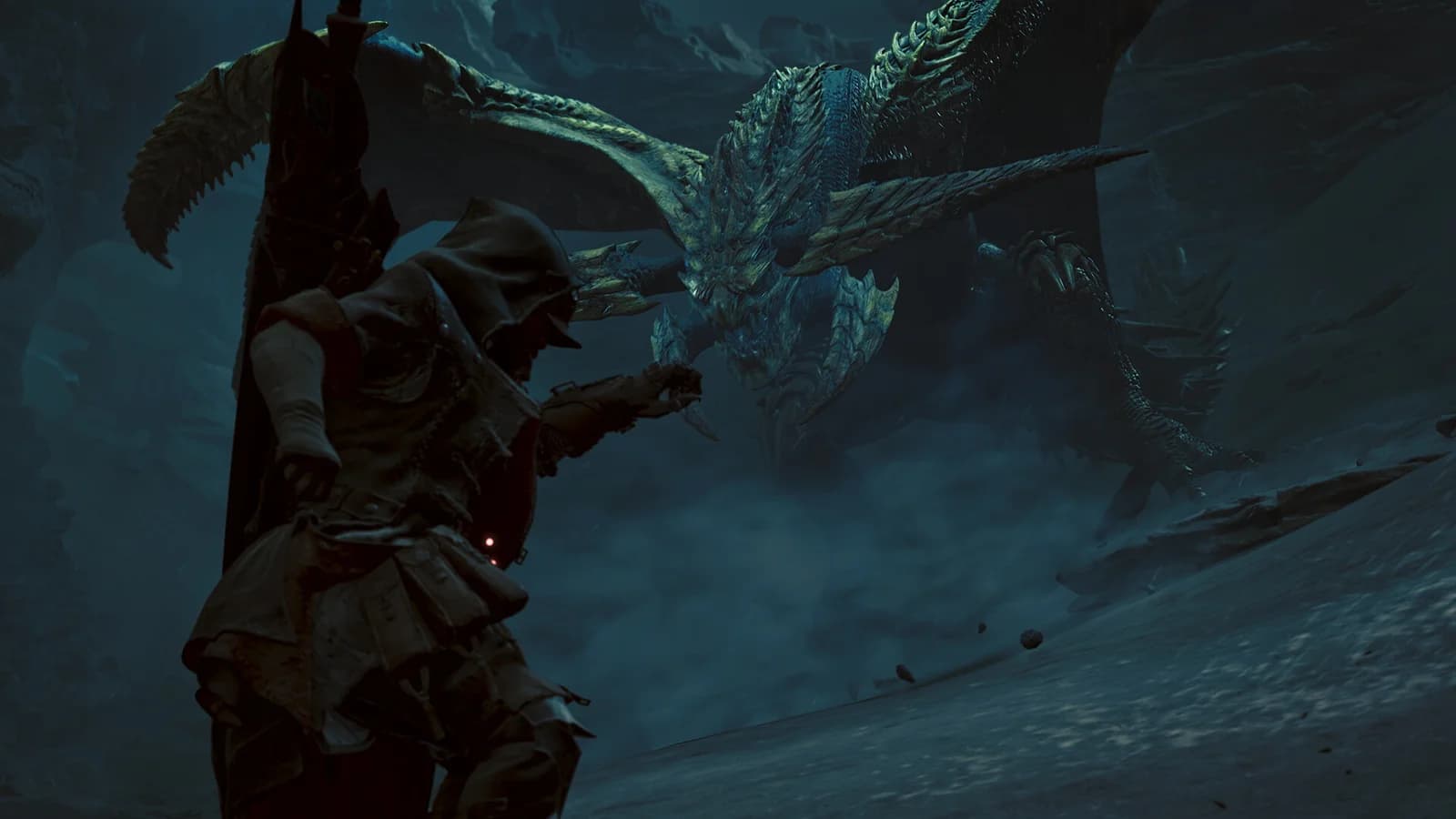
A bow changes the distance at which the hunter can engage, while the monster still determines when that distance is safe. Test an approach, a shot and a retreat instead of judging a weapon only at a stationary target.Image: CAPCOM, via Steam
This becomes clearer in the field. If you miss a moving part, identify whether the cause was distance, aim, or starting too late. Focus Mode can help with precise direction, but it cannot turn every position into a suitable one. Reposition when the angle is poor rather than extending an attack just because a wound is visible.
Give a miss a simple explanation. "I attacked where the head was before the turn" is useful. "This weapon is weak" might send you into another menu without solving the problem.
Commitment matters as much as damage
Try the longer attack only when the opening is long enough. Early on, the smaller option can be your default while you learn which monster actions leave room for more. A missed heavy sequence costs time and can leave you exposed; a modest hit followed by a clean recovery teaches a repeatable exchange.
Watch the opponent during its recovery rather than staring at your own combo. If it moves sooner than expected, shorten the next response. If it stays open and your position is good, test an additional move on the following opportunity. Build a reliable pattern a step at a time.
This approach also helps compare weapons honestly. You are testing what you can land while reading the monster, not comparing the largest number a practice setup permits.
Count the resources you have to watch
Weapon types place different demands on attention. Read what your chosen weapon asks you to manage, then check whether that remains understandable during an encounter. If you keep forgetting a resource or maintenance step, simplify your routine before assuming a stronger build will fix it.
For a melee weapon, learn when you can maintain sharpness safely. The Seikret allows actions such as sharpening and recovery while moving, but keep distance and watch the target. A convenience feature does not guarantee that the monster cannot reach you.
Keep healing on a predictable shortcut and test it before the hunt. Customize the radial menu around the items you actually use. A crowded emergency menu recreates the problem it was supposed to solve: spending the dangerous moment searching for the right input.
Take one weapon through a complete hunt
Eat, restock, and choose an early quest you understand reasonably well. Bring the small routine you practiced and use it for the whole encounter. Pay attention to how it handles travel, short openings, a larger opening, and recovery after a mistake.
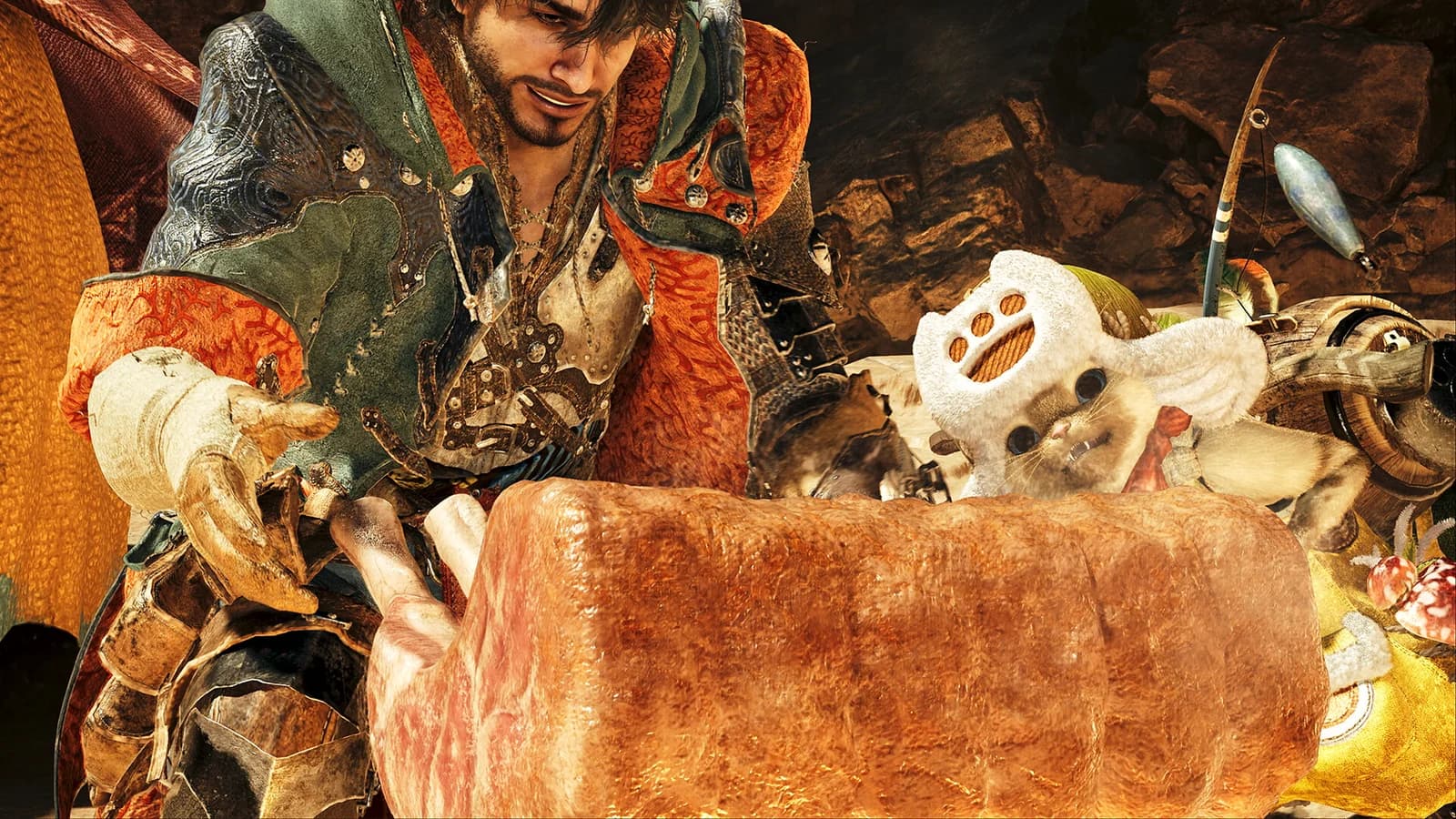
Eat and restock before taking the weapon into a full hunt. A familiar preparation routine leaves more attention for testing the moves you practiced.Image: CAPCOM, via Steam
Wilds lets your Seikret carry a second weapon. Treat that as useful flexibility once you have a reason for it. Two unfamiliar weapons can divide the practice time you need to understand one. A secondary option should solve something specific, such as a range problem or a matchup you already recognize.
After the hunt, name one thing that felt comfortable and one that did not. If you enjoyed the basic rhythm but missed several attacks, practice distance. If every defensive response felt unnatural, compare another weapon. If you simply forgot its controls, give the first choice another purposeful session before drawing a conclusion.
Equipment improves as you hunt and gather materials. Keep those upgrades connected to a tool you understand. A dependable weapon and a clean preparation routine leave you free to learn the next monster, which is the work that no armor menu can do for you.