guide
Palworld: build a base you can leave alone for a while
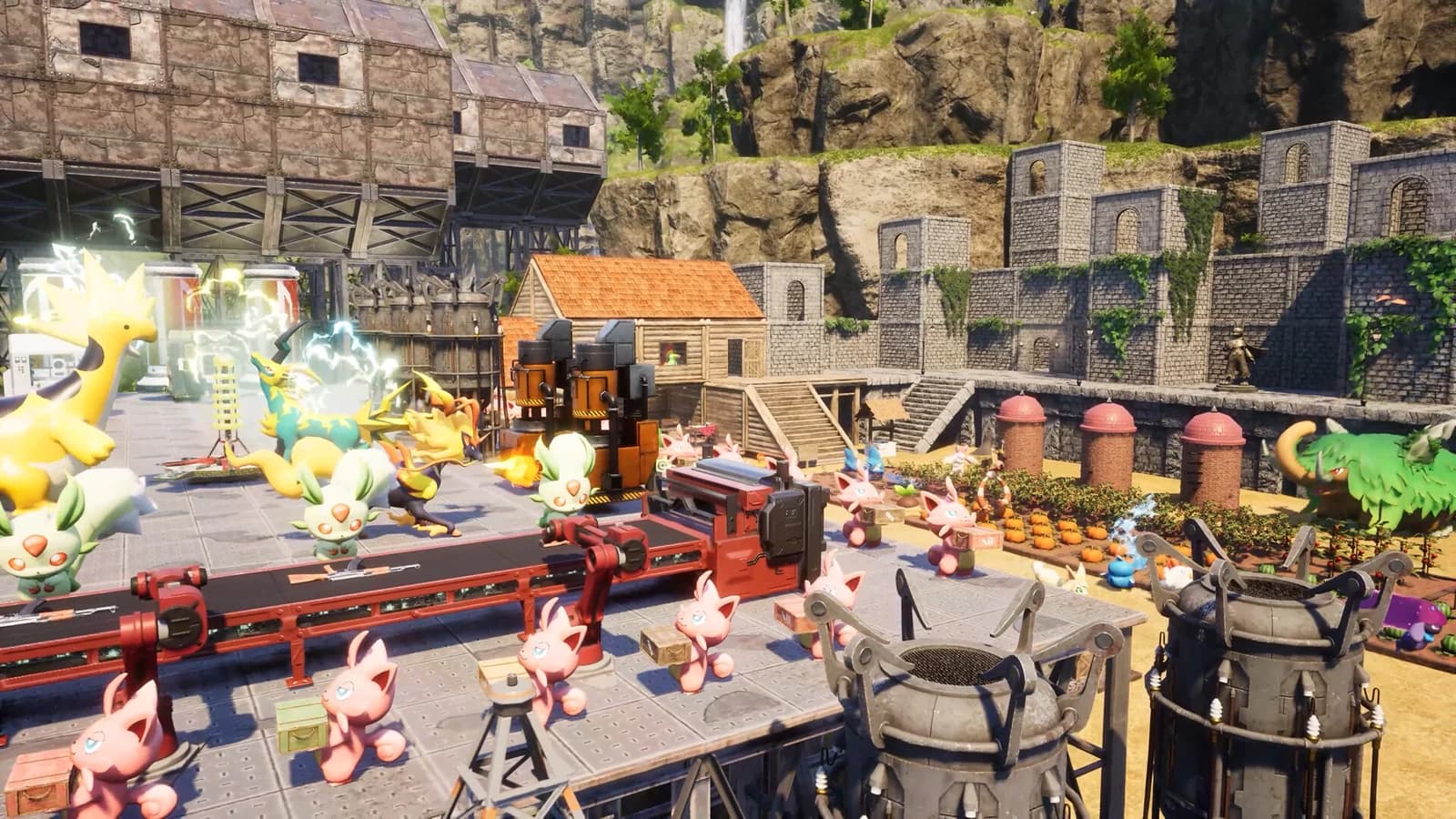
Before adding another production line, watch the one you have. Better work assignments, food, storage, and walking space can give your next expedition room to happen.

A busy Palworld base can be strangely unproductive. There are creatures everywhere, a queue at the workbench, and a promising new machine in the corner. Yet the thing you meant to craft is still waiting for materials, and the workers you expected to supply them have found something else to do. Adding another station is tempting. It may only give the same shortage a larger room to live in.
The aim of a first base should be simple: prepare for a trip, leave, and return to something useful. That does not require a huge factory or a roster chosen from a late-game optimization chart. It requires knowing which job is missing and making the existing jobs easy to complete. Palworld's full-release Steam listing is dated July 9, 2026; older Early Access guides may describe different menus or balance, so use the work details in your installed version.
Begin with the thing that keeps running out
Look at the item you repeatedly stop to gather or make. Is it food, a basic building material, or a component used by the equipment you want next? Choose one shortage to solve before building the next decorative wing.
Write the production chain in plain terms. A meal needs ingredients and any necessary processing. A crafted component needs materials and an appropriate worker. If the final station is idle, follow the chain backward rather than assigning more creatures to the last step. The shortage may begin at a farm or in a chest nobody is filling.
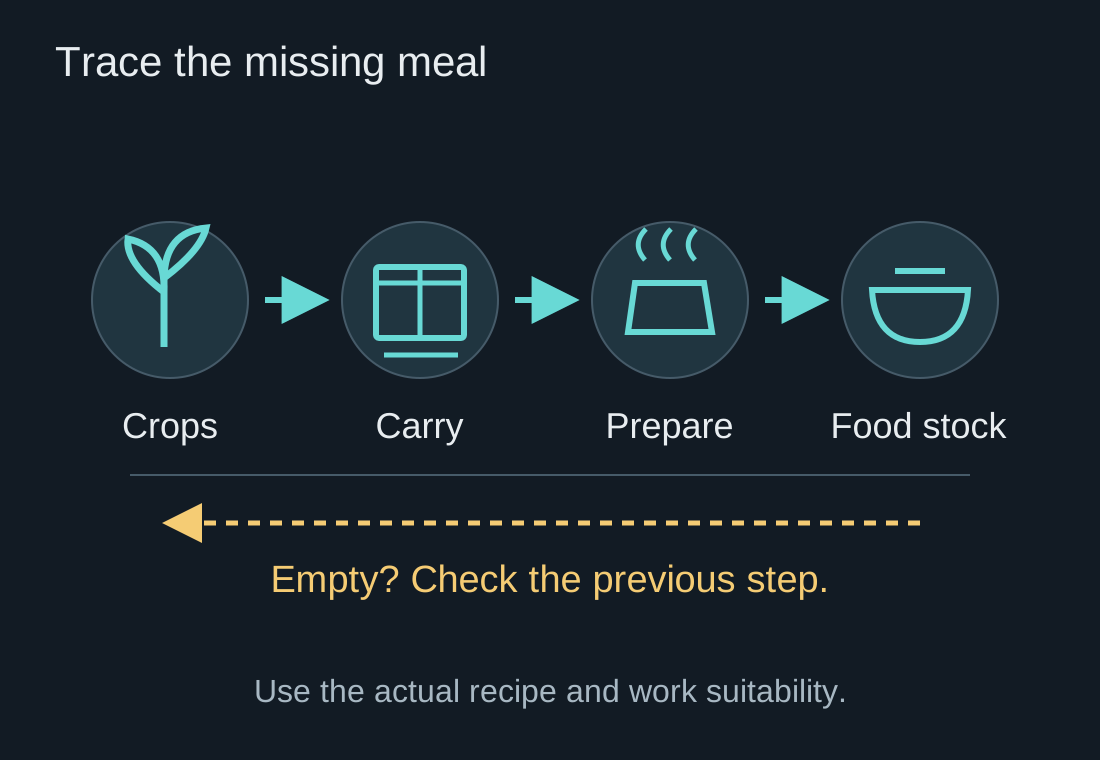
This also gives exploration a useful purpose. Instead of wandering until your inventory is full of unrelated objects, you can look for the material or Pal ability the base lacks. Keep some room in the inventory for an unexpected find, but make sure the planned trip can solve the problem that sent you out.
Match abilities to the work that exists
Open the Pal's details and read its work suitability. A creature's value in combat does not tell you whether it can water a crop, move supplies, or provide heat. Assemble a modest team that covers the jobs you have built rather than the jobs you hope to unlock later.