guide
Street Fighter 6: take one useful habit into your next match
Choose controls you enjoy, check what the game reads, and practice a small answer to a real problem. Your first improvement can be much simpler than a long combo.
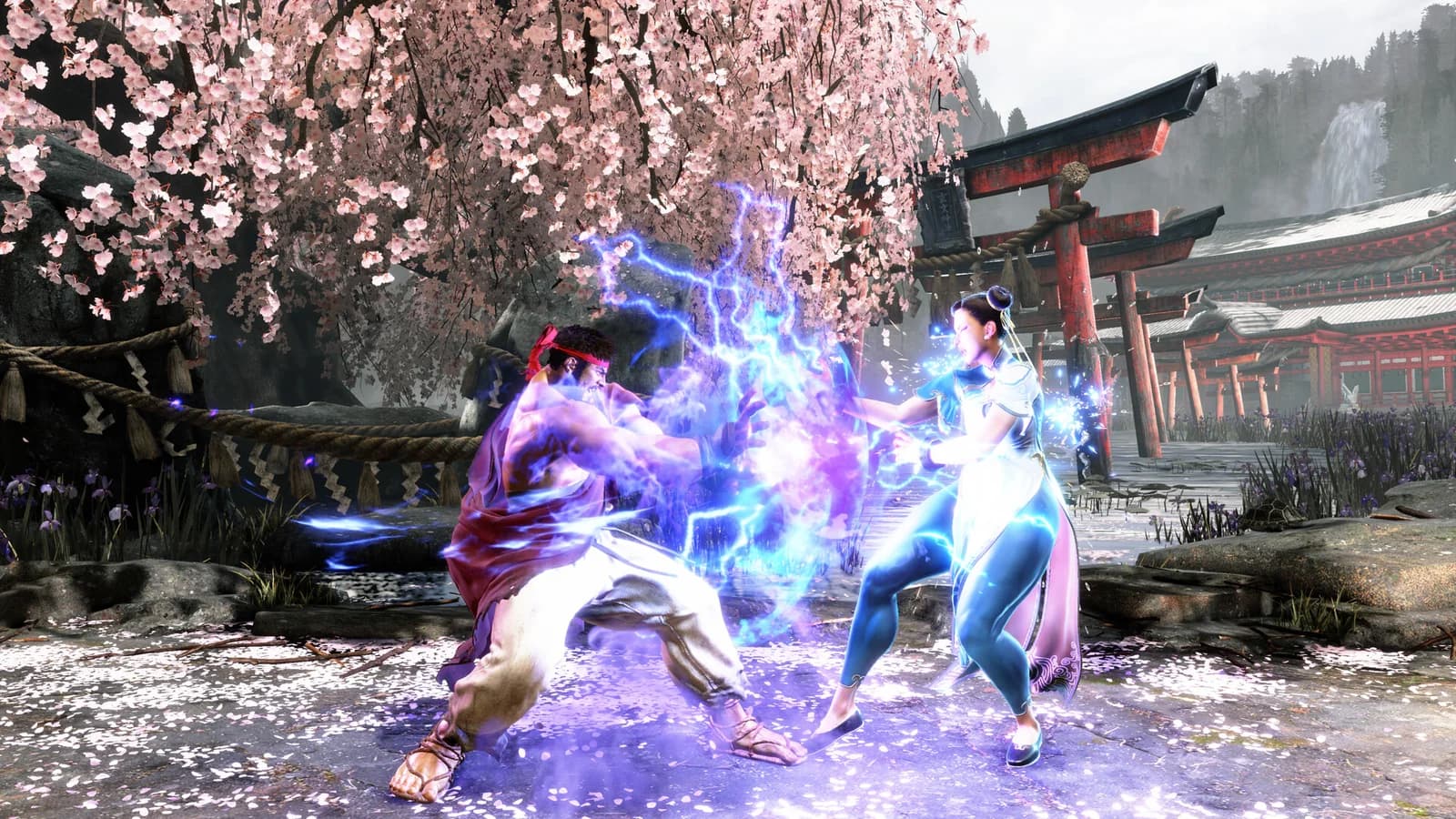
The training room is quiet in a way a match never is. You can land a sequence ten times against an idle opponent, then lose the first round without finding a chance to begin it. That does not make the practice worthless. It means the sequence solved an execution problem while the match presented a different one: getting close enough, recognizing the opening, or defending long enough to take a turn.
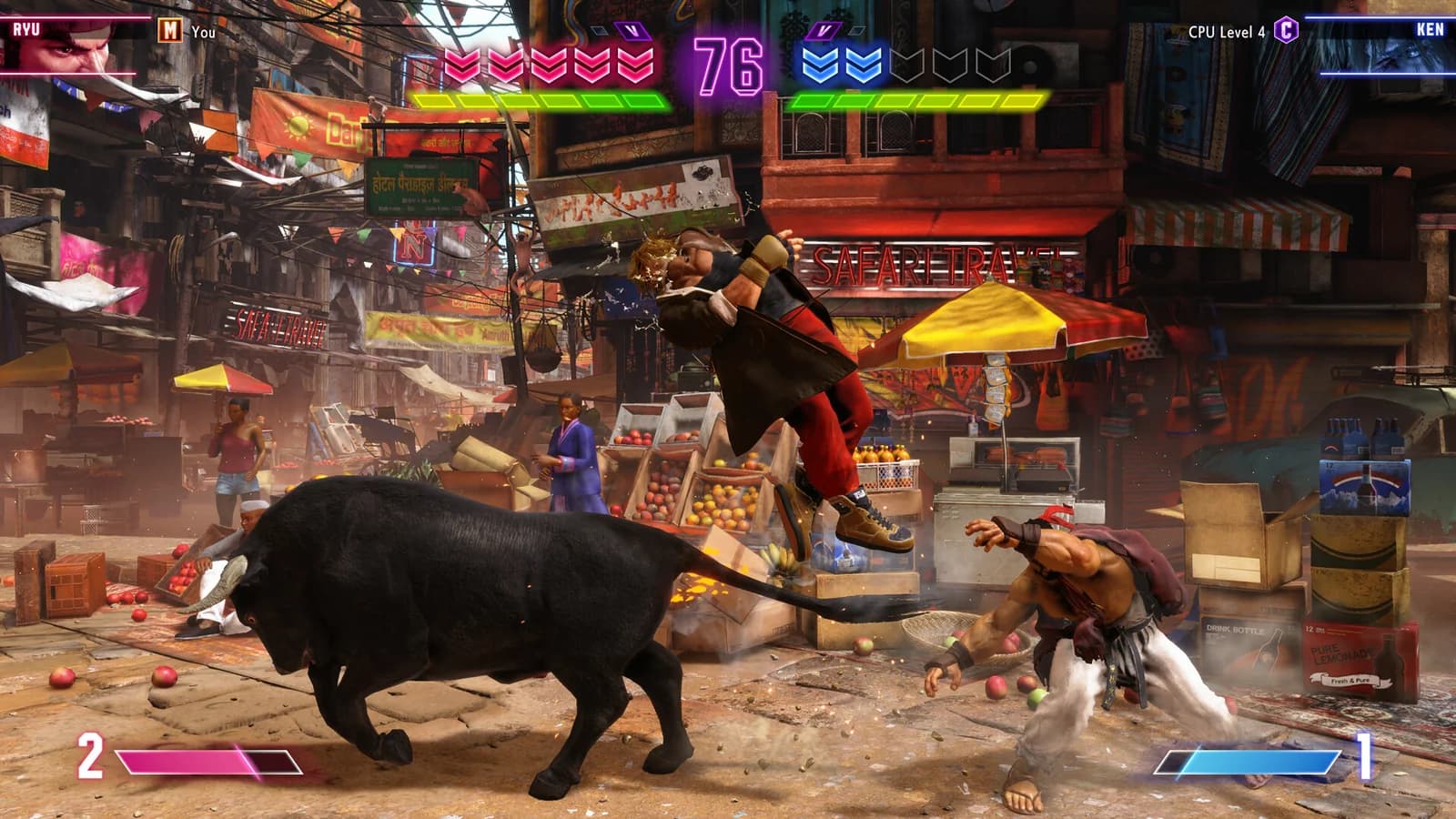
Street Fighter 6 becomes easier to learn when practice starts with a situation from a match. One missed anti-air, one unsafe attack you blocked, or one input that failed gives you a small question to answer. Take that answer back into play and look for it. A useful habit may arrive before the victory does.
Choose controls for the work you want to do
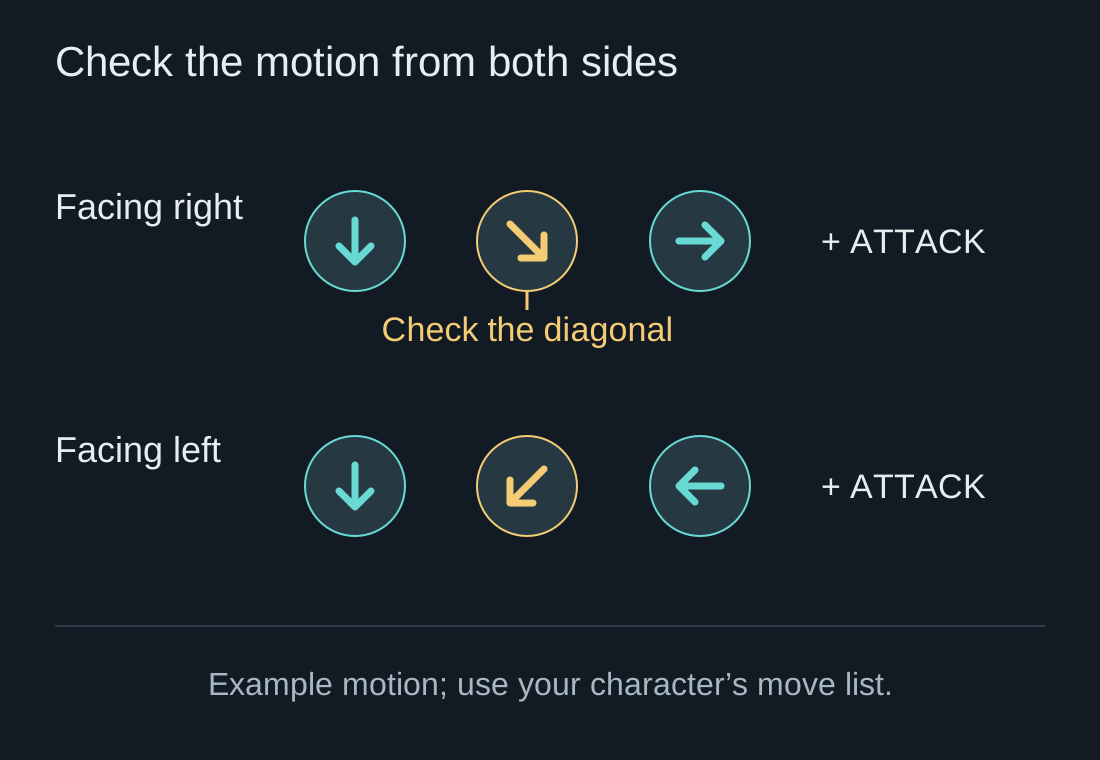
Classic provides the familiar six-button arrangement and motion inputs. Modern simplifies parts of execution while changing how moves are accessed and, depending on the character, what is available. Read the character's move list in the chosen scheme rather than assuming a demonstration uses the same commands.
Choose the setup you enjoy using and keep it steady for a while. You can learn spacing, defense, and resource decisions with either. Switching after every difficult match makes it harder to know whether the problem was a decision or an unfamiliar button.
Check the button mapping on your device before building a routine. A comfortable controller is enough to begin; a new piece of hardware cannot explain when to block. If a button is unreliable or awkward to reach, address that specific problem instead of treating an expensive controller as the first lesson.
Learn a small set of answers
For one character, find a useful grounded attack, an anti-air, and a short response to an obvious mistake. Read the command list and try each at different distances. Notice which move reaches cleanly and which leaves you too far away for the follow-up you intended.
Begin the anti-air drill with a predictable jump. Practice recognizing the jump and using the chosen answer without adding a long combo afterward. When that feels comfortable, vary the timing using the available training settings or a friend's help. A moving opponent introduces the part that an idle dummy cannot teach.
For the punish, use something short enough to perform under pressure. Test it after blocking the kind of attack you want to answer. The test matters: a move working against a standing dummy does not establish that it reaches in time after the specific blocked attack.