feature
Why Minecraft leaves room for the rest of your evening
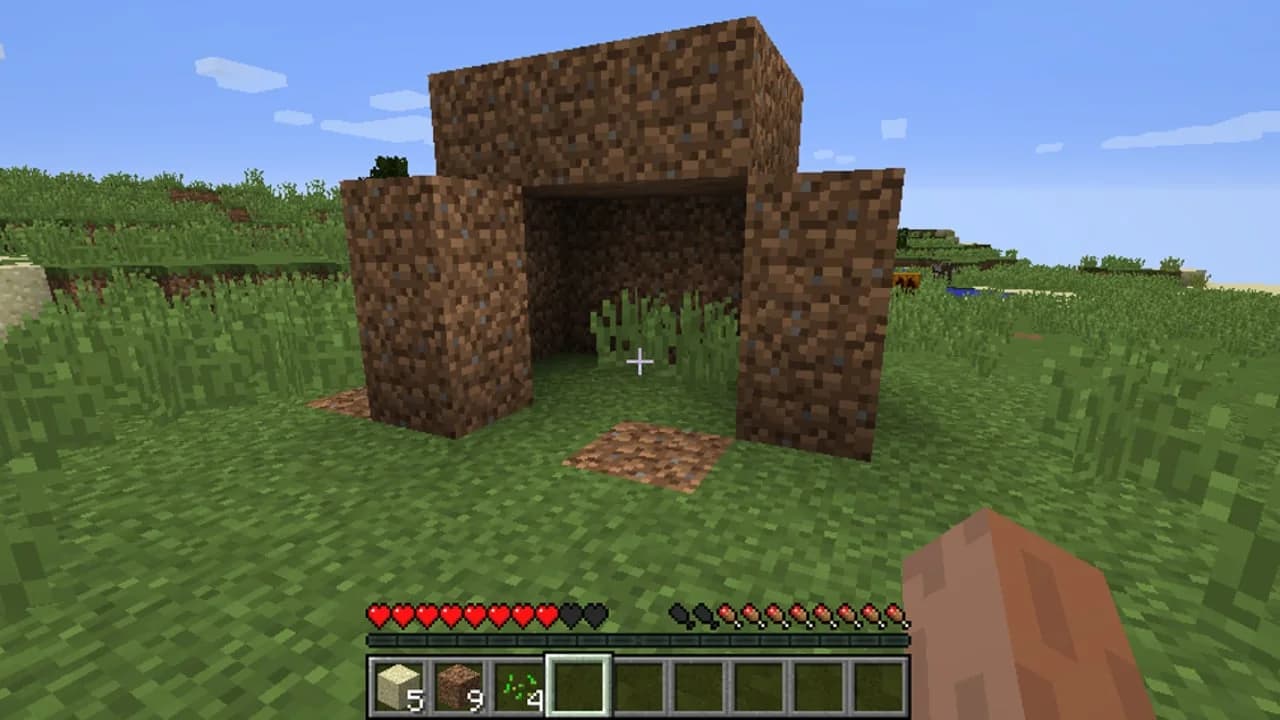
A modest building project can keep a group together without demanding the same attention from everyone. That flexibility explains part of Minecraft's lasting appeal.
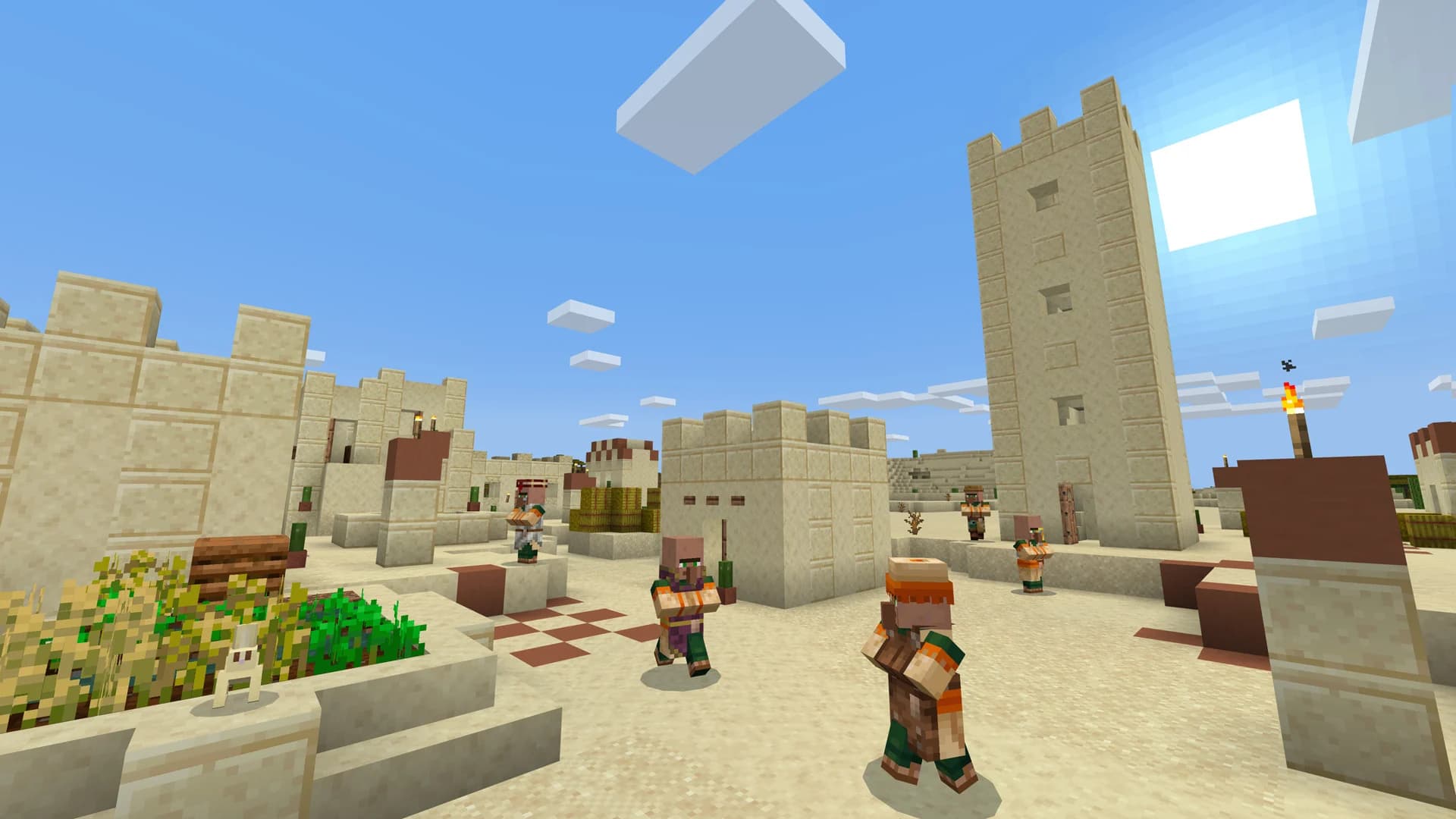
Some games require the whole room. Someone misses a call, a round goes wrong, and the conversation stops being about the week and becomes an explanation of what happened on screen. Minecraft can ask for that level of attention, too. A dangerous cave is a poor place to become distracted. But it also makes space for quieter work: laying a path, sorting a chest, planting crops, or deciding whether a roof needs one more row.
That range helps explain why it can fit into an evening so comfortably. You can choose a task with a small demand on your attention while a conversation carries on around it. The world still responds to your decisions. By the time you leave, something has changed, even if nobody has completed a grand objective.
For a shared world, it helps to choose work that suits the group. A half-built station could give an energetic player a construction project and a tired friend a few signs to place. Neither has to rush the other toward a finish screen.
A small task can be a complete session
A house does not have to be finished to make an evening feel worthwhile. Its front steps can be finished. So can the lighting around it or the storage room underneath. A larger idea naturally breaks into pieces that are visible and easy to understand when you return.
Compare that with starting a story mission when you have twenty minutes before dinner. You may not know where it will allow you to stop, or how much context you will forget between sessions. In a building project, the unfinished wall is the reminder. You can see both what you did and what remains.
That does not mean the game gives every player a satisfying plan automatically. A blank world can be intimidating. “Build anything” is a huge assignment. “Connect these two houses with a path” is a task with an end. Choosing a modest first project often does more for a shared world than announcing an enormous city that nobody knows how to begin.
Friends can work at different speeds
Shared construction gives a group several useful jobs without requiring everyone to perform the same one. One person could sketch a bridge, another gather its materials, and another improve the approach on either bank. They are contributing to a common place while making decisions at their own pace.
There is room for preferences that would clash in a more tightly directed game. A player who enjoys arranging interiors can care about a room's proportions. Someone who prefers exploring can bring back materials. A third person might want a straightforward job that leaves plenty of attention for talking. The work has different shapes, but the result belongs to the same world.