Hades II: make boon choices fit the run you have
Choose a main damage method, read what a boon actually supports, and keep a useful goal when the exact combination you wanted never arrives.
Read storyAction roguelike · released
Take Melinoë through repeated attempts against Chronos, combining weapon choices, Olympian boons, and lasting progress between runs.
GV interest reflects our editorial ordering. Player ratings appear below.
How it plays, who it suits and where to start.
Hades II follows Melinoë, the Princess of the Underworld, in a struggle against Chronos. It uses repeated action-game attempts to advance both combat progress and relationships. A return to the Crossroads can reveal a conversation or preparation opportunity, giving a failed run a place within the larger campaign instead of treating it as a blank reset.
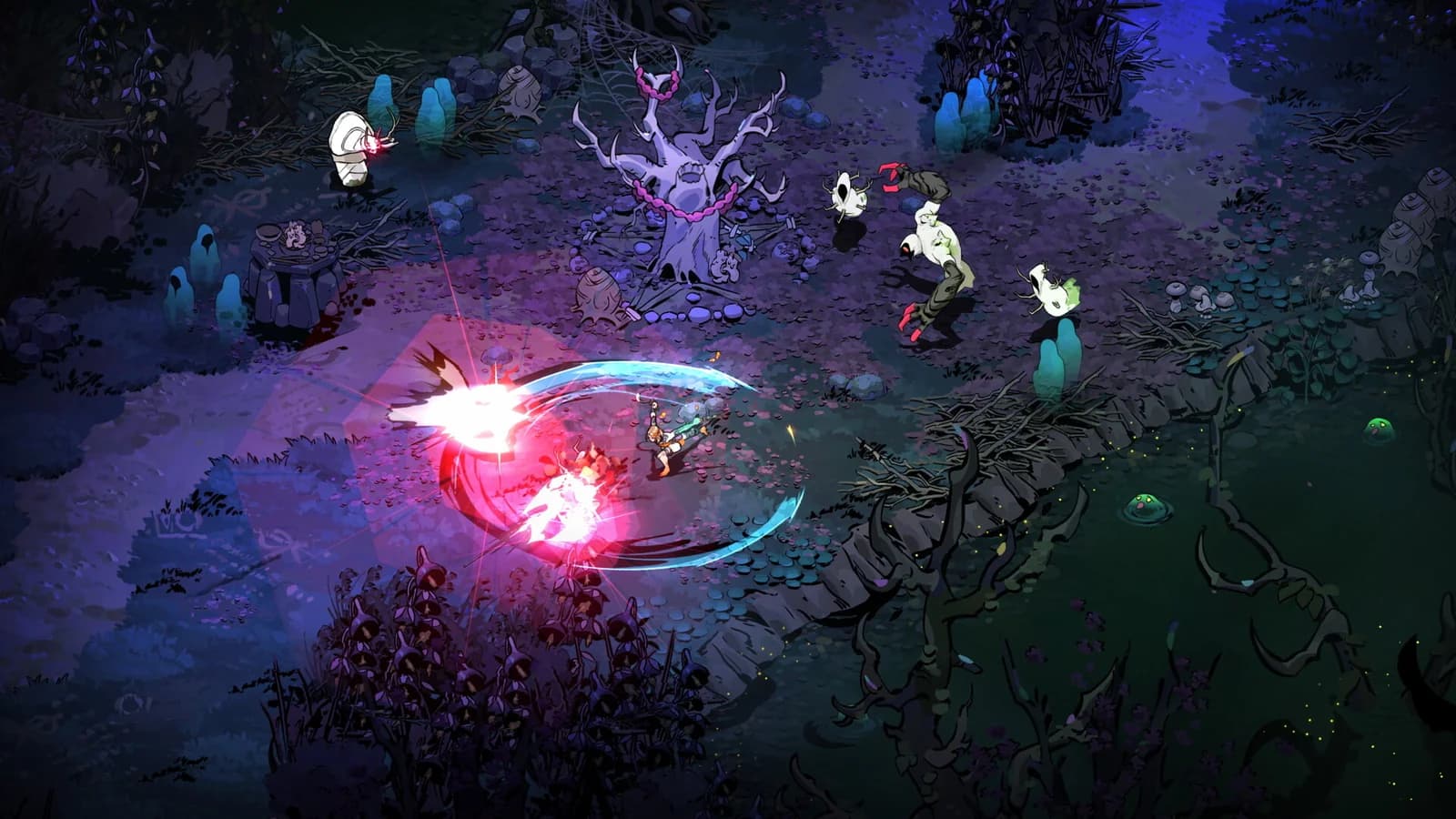
Melinoë's connection to witchcraft shapes the tools at her disposal. Weapons, magick, and gifts from the Olympians create combinations that vary between attempts. The useful question is what the current selection lets you do safely, rather than whether it matches a favorite arrangement from a previous run.
A run becomes easier to read when you choose a main source of damage and understand what supports it. Does an upgrade strengthen the attack you use most? Does it help control a crowded room? Does it solve the resource problem that keeps ending attempts? Those questions provide a better starting point than choosing every rare-looking option.
Between runs, permanent upgrades and gathered materials give you other kinds of progress. Spend some time in the hub, read what the next upgrade requires, and choose a manageable target. Exploring a new region while collecting a needed resource can make an attempt worthwhile even if its final fight remains out of reach.
Characters respond as the journey develops, so conversations are worth including in the routine. The cast draws from Greek mythology without requiring an existing reading list. Familiarity with the first Hades adds context, but Hades II introduces its own protagonist and central conflict.
God Mode is available for players who want additional help progressing. It can make room to learn enemy behavior and follow the story without requiring a perfect execution standard. Players who want greater difficulty have further challenges to pursue.
The full release arrived after Early Access, so a guide built around an unfinished version may describe older content or balance. Use version-appropriate descriptions for individual boons and upgrades. Start with the fundamentals you can observe directly: where an attack lands, when it leaves you exposed, and how much room remains after moving. These remain useful when a preferred combination never appears.
Supergiant game overview, official release and platform FAQ, and developer's Steam description.
1 story about Hades II.
Choose a main damage method, read what a boon actually supports, and keep a useful goal when the exact combination you wanted never arrives.
Read storyRead what other players think, or sign in to share your own rating and review.
Sign in to add a rating or review. Other readers can see it on this page.